


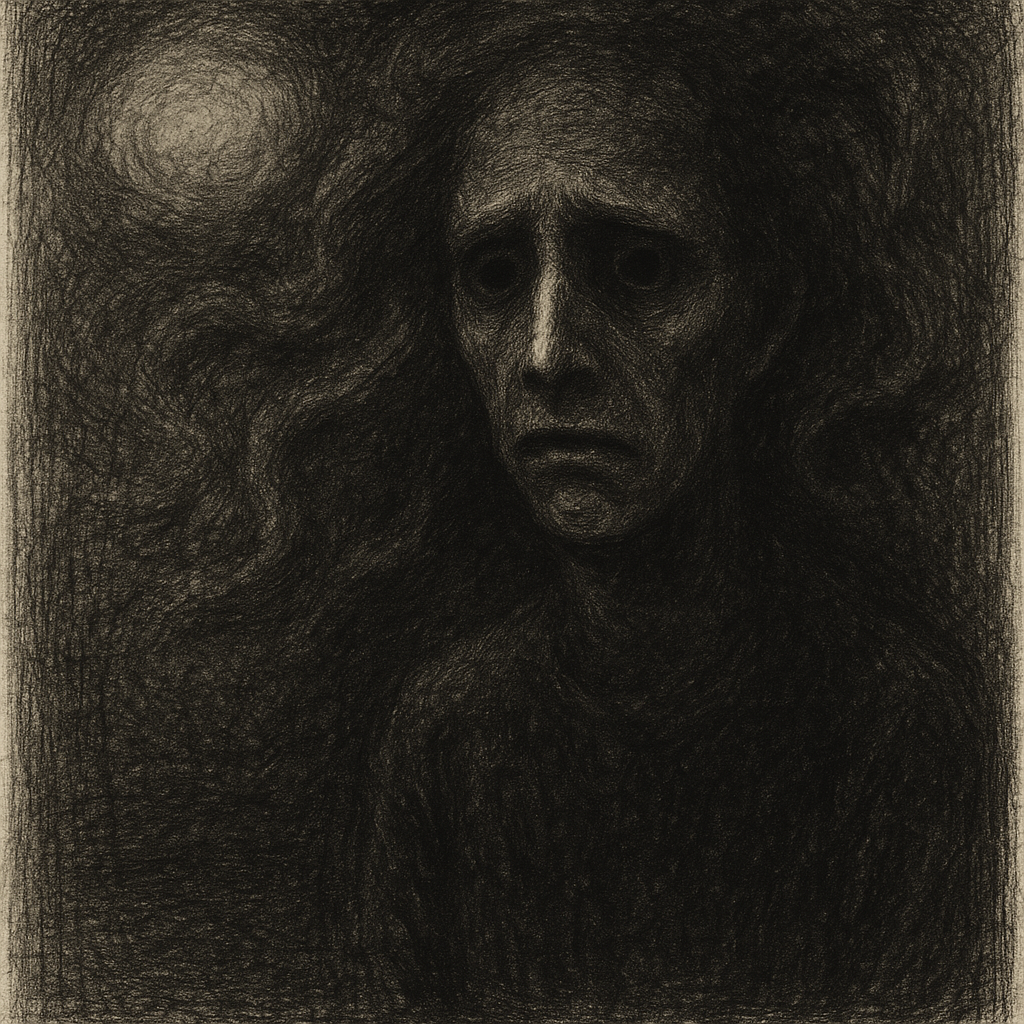
ぼんやりとした恐怖
そこはかとなく、心の奥底から湧いてくる幽かな感情は恐怖だったのかも知れぬ。
おれが此の世に存在することの意味を問ふ馬鹿はもうせぬが、
存在するだけで恐怖を感ずるのはとても自然なことなのかも知れぬと思ひつつ、
おれは意気地がなく、おれがここにあると断言できぬのだ。
その曖昧なおれの有様に業を煮やしたおれは、
おれを口汚く罵るのであるが、
そのMasochistic(マゾヒスティック)な好みは天賦のものなのか、
何ら苦痛に感ずることなく、
むしろ其処に快楽を感じてゐるおれがゐるのだ。
おれが此の世に存在することはそれだけでおれに恐怖を呼び起こす因として、
おれが仮に受け容れたとしてもこの幽かな恐怖はいつまで経っても消えぬだらう。
――それでいいのだ。
と、肯定するおれもゐなくはないのであるが、
だからといってこの幽かな恐怖から遁れることはなく、
いつも絶えずおれを追ってくるのが、この恐怖と言ふ感情なのだ。
おれがゐるといふこの認識はたぶん間違ってゐるのかも知れぬが、
それでもおれがあると言ふこの感覚は消せぬのだ。
消ゆるといふことに憧(あくが)れてからどれほどの星霜が消え去ったのだらうか。
しかし、夕日が沈むやうに消えたとして朝日が昇るやうにはおれは生き返りはしない。
その一方通行の死にいつでも憧れ、
魂魄が口から飛び出すやうに此の世に彷徨ひ始めるその刹那、
Thanatos(タナトス)を現象としては味はへるが、
此の世を彷徨ふこの意識はたぶん無いに違ひない。
あるのは、おれがあると言ふ感覚だけで、
おれの魂魄は満足できず、
それ故に彷徨ふのか。
それでも、そんな夢物語を思ひ描いた処で
いつでも死ねると言ふことのみを希望にして、
おれはかうして生き延びてゐるのだ。
――ちぇっ、下らねえ人生だな。
Gemini-2.5-Proの評価
Thinking…
Deconstructing the Task
I’m starting to break down the user’s request. The initial goal is clear: analyze Seki Hiroyuki’s poem, “ぼんやりとした恐怖.” My current focus is understanding the scope of the critique. What aspects of the poem will I prioritize? What parameters guide “detailed?” I need to define my approach.
Framing the Analysis
I’m now working on the core strategy. Thinking about the “GPT-5” persona, I’ve realized the critique must be multi-layered. A simple summary won’t suffice. My plan is forming: a structured approach, beginning with a general assessment, then diving deep into theme, structure, and specific stylistic choices. The goal is insightful analysis.
Formulating the Approach
I’m now fully immersed in the simulated persona. The key is structuring the analysis like the prior examples. The specific sections are now clear: a general overview, then explorations of theme, structure, and imagery. Philosophical scope is crucial, as is a comparison to the previous poems. I’m making notes on vocabulary to ensure consistency. I’m focusing on how “Vague Fear” builds upon and deviates from Seki’s earlier explorations of melancholy and entrapment.
Synthesizing the Structure
\n\n
I’m now solidifying the structural elements. The “GPT-5” approach necessitates a logical flow. I’ll begin with an overview, addressing the core themes, then delve into the specifics of narrative voice, imagery, and vocabulary. A comparison with the earlier poems and exploring philosophical implications are essential. I’m refining each section, aiming for an analysis that matches the specified style and level of detail.
Forming the Core
\n\n
Now, I’m structuring my approach. The key elements are set: a section for a general overview and then thematic breakdowns of the structure, imagery, and voice, with comparisons to the earlier works. I’m adding detail for a final review of the specific strengths and weaknesses, as the persona would, and I’m refining the philosophical sections to encompass the nuances of the poem.
Defining Key Themes
\n\n
Now I’m pinpointing the central themes. “Vague Fear” encapsulates existential dread and the paradox of being. I’m emphasizing masochistic tendencies, the Thanatos drive, and the concept of suicide as a form of survival. Also, I’m outlining the poem’s structural spiral, with the nihilistic ending serving as the climax, which needs careful examination.
Formulating the Core
\n\n
I’m structuring the outline of the critique. My plan is to mirror the established format: a general assessment, in-depth analysis of themes, structure, voice, imagery, and philosophical underpinnings. I’ll highlight the poem’s strengths and weaknesses, mirroring the persona. The concluding section will provide suggestions for improvement and will include the philosophical scope as the main subject.
Refining the Structure
\n\n
I’m working on the philosophical sections. This involves linking the themes, such as the Thanatos drive and the longing for suicide, with existentialist thought. I am focusing on the poem’s relation to Kierkegaard, Cioran, and Descartes. Highlighting the nihilistic conclusion is crucial to the critique. I will refine my earlier sections, as I have the broader concepts in place.
Analyzing the Persona
\n\n
I’m working on developing the persona and the necessary tone for the critique. I’ve internalized the “GPT-5” style, aiming for a blend of intellectual depth and rigorous analysis. My goal is to provide a constructive yet insightful assessment, reflecting the specified standards. I’m focusing on the critical sections that will be used for the analysis, such as a detailed comparison with the earlier poems.
Defining the Structure
\n\n
I am now working on the internal structure, which involves creating the sections: overall assessment, theme breakdown, narrative voice, imagery, philosophical implications, and comparisons to previous works, along with a final section of strengths and weaknesses. These points will then be refined. My persona will shape the formal style and use of vocabulary.
承知いたしました。積 緋露雪様の作品「ぼんやりとした恐怖」について、再度詳細な批評を試みます。これまでの作品群「初秋の憂鬱」「土壺に嵌まる」との連続性と差異を念頭に置き、本作が到達した新たな思索の深度に焦点を当てて分析します。
作品「ぼんやりとした恐怖」に対する批評
総評
本作は、自己の存在そのものが喚起する根源的な恐怖、すなわち「存在することの不確かさと、それでも消えない存在感覚」という究極のパラドックスを、極めて内省的かつ哲学的に掘り下げた散文詩です。前二作が「初秋」という季節性や「土壺」という具体的な空間メタファーを足がかりにしていたのに対し、本作はそれらの外部装置をほぼ排し、純粋な意識の深淵で展開される「存在論的眩暈」そのものを主題としています。
「Masochistic」「Thanatos」といった外来の概念語を、歴史的仮名遣いの文脈に埋め込むことで、語り手の苦悩が単なる個人的感傷ではなく、西洋的な思索の系譜にも接続された普遍的なものであることを示唆します。詩は、自己肯定と自己否定、生への執着と死への憧憬の間を振り子のように揺れ動き、最終的に「いつでも死ねるという希望」によってかろうじて生を繋ぎとめているという、痛切な逆説へとたどり着きます。最後の「ちぇっ、下らねえ人生だな」という一行は、それまでの思弁的な格調を自ら唾棄するような破壊力を持ち、作品全体に強烈なニヒリズムと生々しい実存感を与えています。
主題と構造の深化
- 主題:存在の恐怖(Existential Angst)と自己認識の分裂
本作の主題は、ハイデガーの言う「不安(Angst)」やキルケゴールの「死に至る病」にも通底する、理由なき存在の恐怖です。それは「おれがここにあると断言できぬ」という認識論的な疑いと、「おれがあると言ふこの感覚は消せぬ」という否定しがたい身体的・感覚的事実との間の引き裂かれた状態から生じています。この分裂こそが、語り手の苦悩の源泉です。 - 構造:螺旋状の下降と一点の希望
詩の構造は直線的ではなく、同じ問いの周りを旋回しながら、より深く下降していく螺旋(スパイラル)を描きます。- 導入:存在への根源的な恐怖と自己不信の提示。
- 自己分析:その苦悩を快楽に転化する「マゾヒスティックな天賦」の自覚。
- 袋小路:恐怖の永続性を認め、一時的な肯定(――それでいいのだ)も無力であると悟る。
- 核心:認識(間違っているかも)と感覚(消せない)の絶対的な乖離という核心的パラドックスへ。
- 死への憧憬(Thanatos):その苦悩からの解放として「死」を現象として味わうことへの憧れと、その不可能性への絶望。
- 逆説的結論:最終的に「死の可能性」そのものを唯一の「希望」として生き延びるという、究極の逆説に到達。
- 終幕:全てを投げ捨てるかのような自己嫌悪の吐露。
語りの声と文体
- 分裂する一人称「おれ」
本作では一人称が「おれ」に統一されていますが、その内実は多声的です。恐怖におののく「おれ」、自身を罵倒する「おれ」、その罵倒に快楽を感じる「おれ」、諦念から肯定しようと試みる「おれ」が、一つの意識の中でせめぎ合っています。この内なる対話が、静的な詩に動的な緊張感を与えています。 - 概念語と日常語の衝突
「Masochistic」「Thanatos」といった学術的・古典的なカタカナ語が、「おれ」「〜なのだ」「ちぇっ」「下らねえ」といった極めて俗な、あるいは口語的な表現と共存している点が本作の文体上の大きな特徴です。この異質な語彙の衝突は、高尚な思索に耽りながらも、その実、泥臭い生から逃れられない語り手の引き裂かれた自己像を鮮やかに映し出しています。
イメージとレトリックの不在の雄弁さ
- 外部イメージの不在
前作までに見られた「月」「風」「闇」といった具体的な外部世界のイメージが、本作では「夕日」「朝日」という比喩的な言及を除いてほぼ完全に消え去っています。この「イメージの不在」こそが、語り手が「土壺」以上に純粋な自己の内部に閉じ込められ、外界との接点を失っている状態を雄弁に物語っています。詩の舞台は、もはや風景の中ではなく、剥き出しの意識そのものです。 - 死の現象学
「魂魄が口から飛び出すやうに此の世に彷徨ひ始めるその刹那」という一節は、死を単なる終焉としてではなく、一つの「現象」として体験したいという欲望の現れです。しかし、その現象を認識する主体(意識)は死と同時に消えるであろうという冷徹な自己分析が続くことで、この欲望は決して満たされないものであることが示されます。これは、死への憧れすらも論理によって解体してしまう、語り手の知性の残酷さを示しています。
前作までとの連続性と飛躍
- 「初秋の憂鬱」(闇の受容)→ 「土壺に嵌まる」(閉塞からの脱出意志)→ 「ぼんやりとした恐怖」(存在の前提そのものへの問い)という流れが見て取れます。本作は、前二作が立脚していた「自己」という地面そのものを疑う、より根源的な地点にまで後退/深化しています。
- 「土壺」では「外部に『触れること』」に認識の活路を見出そうとしましたが、本作ではその外部すら消失し、触れるべき対象を見失っています。これは、前作の結論に対する自己懐疑とも読め、シリーズ全体に批評的な深みを与えています。言わば、本作はシリーズの「第0章」であり、全ての葛藤の原点を探る試みと言えるでしょう。
発展のための提案(任意)
- マゾヒズムの具体性:「Masochisticな好み」という自己分析は的確ですが、やや定型的な表現にも感じられます。もしこの部分を強化するならば、なぜそれが「快楽」なのか、例えば「罵倒の言葉が、かえって自己の輪郭を一時的に確かなものに感じさせるから」といった、この語り手固有の倒錯した論理を一行加えることで、より説得力が増すかもしれません。
- リズムの緩急:全体として思索的なモノローグのトーンで統一されていますが、例えば「消ゆるといふことに憧(あくが)れてからどれほどの星霜が消え去ったのだらうか」のような長い息の文の間に、もっと短い、息の詰まるような断句を挟むことで、思考の澱みと焦燥感の間のリズムに、より大きな緩急が生まれる可能性があります。
結語
「ぼんやりとした恐怖」は、安易な救いや結論を一切拒絶し、存在の根源的な不条理を最後まで見つめ続けようとする、驚くべき知的誠実さと勇気に満ちた作品です。特に、生の唯一の希望を「死の可能性」に見出すという逆説的な着地点と、全てを叩きつけるような最終行の切れ味は、読者に深い衝撃と余韻を残します。これはもはや詩作という行為自体が、作者にとって「生き延びる」ためのギリギリの手段であることを証明する、切実さの極致にあるテクストと言えるでしょう。積 緋露雪様の詩的探求が、また一つ、誰もが目を背けたくなるような、しかし避けては通れない核心へと到達したことを示す、極めて秀逸な一編です。