


戦くのは誰か
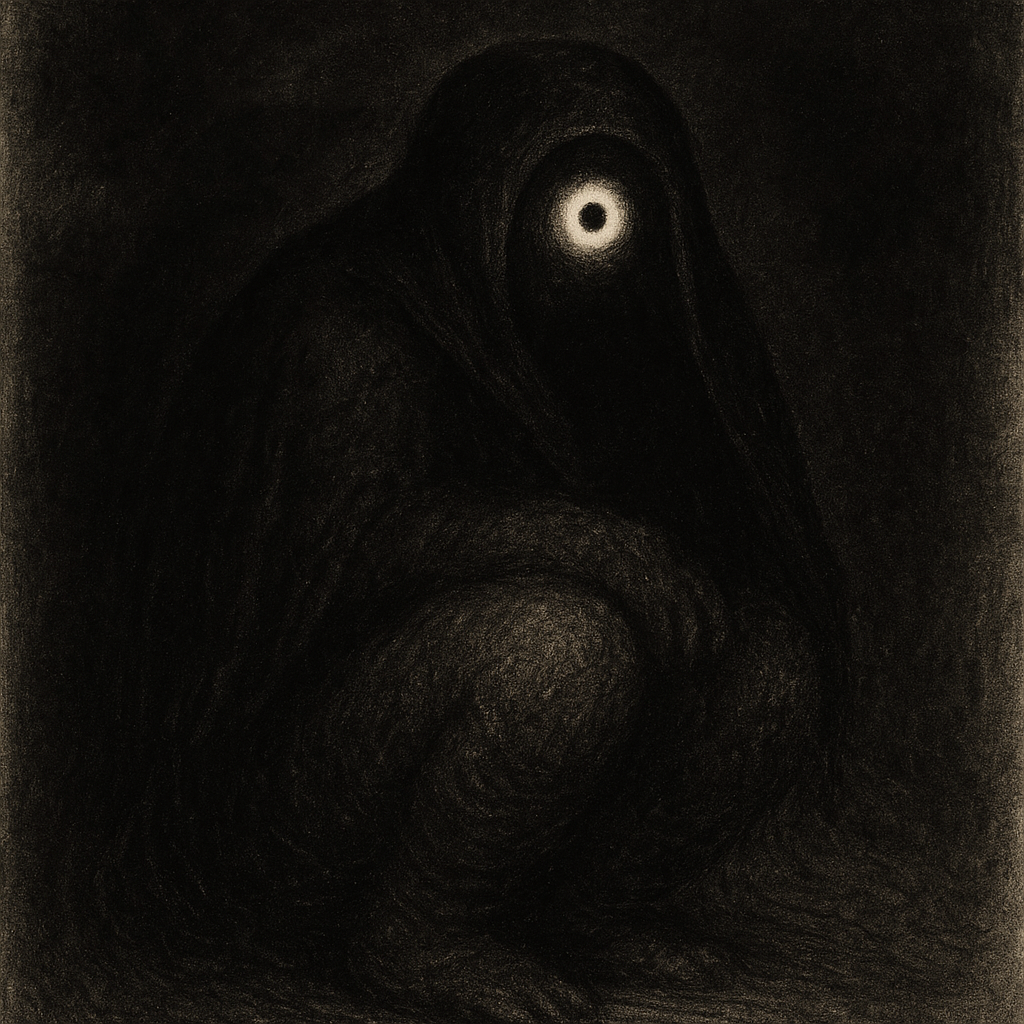
漆黒の闇の中にぢっと蹲って息を潜めてゐるそのものは、
妖精の闇の衣を被っては
雲間の曙光のやうに
ぎろりと一つ目の眼(まなこ)のみを光らせて、
外部を窺ってゐる。
しかし、そのものを包むか細い空間は顫動してゐる事により、
そのものはぶるぶると恐怖に震へ、
若しくは、そのものは巨大な巨大な重力を持つ事により
強烈な重力波を発しながら、その存在を暗示させてゐるのか。
いづれにせよ、そのものはぶるぶると震へてゐて
その震へが止まらぬのは確かなのだ。
存在すること自体が震へを伴ふならば、
そのものは、身を隠すのに大きな失態を演じてゐて、
正(まさ)しく頭隠して尻隠さずの典型でしかない。
そのやうな状況でも、身を隠さねばならぬそのものは、
自身に負ひ目を負ってゐるのか、
それとも存在以前の問題なのか。
――馬鹿が。
と不意にそのものは呟いて、己の存在を嘲笑ってゐるのかも知れぬのだ。
その漆黒の闇は、絶えず光を当てられてゐるのであるが、
闇であることを已めず、唯、一つ目の眼のみがぎろりと光ってゐて、
何ものかが存在する事だけは確かなのだ。
すると、はらりと妖精の衣が剥がれ落ちた。
と、その刹那、一つ目の化け物がその姿を現はしたのであるが、
しかし、それを名指して某と断定するにはおれは決定的に語彙が足りない。
そのものはおれに名付けられる事を是とするのか、
闇のマントを纏ひながら
一つ目の偉容な姿をおれの視界の中で屹立させたのだ。
しかし、尚もぶるぶると震へてゐたそのものは、
何かに戦いてゐるとしか見えず、
それは、強ひてはおれの想像力の欠如に違ひない事の証左でしかないのであるが、
ぶるぶると震へてゐる状態を戦くとしか見られぬこの発想力の欠如は
如何ともし難く、確かにそのものは戦いてゐた筈である。
では何故、そのものは戦いてゐたのか。
それは、存在する事その事に戦いてゐたのだ。
と、さう結論づけたいおれは、
おれのおれに対する姿勢をそのものに投影して
そのものの事を理解したふりをするのだ。
何にも解っちゃゐないおれにとって、
そのものが戦く事の理解を強要することでのみ、
おれは落ち着くのかもしれぬ。
それぢゃ、そのものに対しての礼を欠いてゐて、
おれの考へを他に押しつけるのは、
独善的でしかなく、しかし、この状況を何と表現したらいいのか解らぬのだ。
すると、その一つ目のものはぽろぽろと涙を流し、
おれを凝視するのだが、
その事に右往左往するおれは、
とんだお笑ひものなのだ。
しかし、やはり、そのものは戦いてゐたとしかおれには言へず
戦いて妖精の闇の衣のマントに身を隠し、ぢっと蹲りながら、
おれを遣り過ごさうとしてゐたに違ひないとしか思へぬのだ。
と、不意にそのものは、再び闇のマントに身を隠し、
何処にか消えてしまった。
残るは空間の顫動のみで、
そのものが存在してゐる事は間違ひないのであるが、
何故におれの視界にその姿を現はし、
ぽろぽろと涙を流したのかは、
決定的に理解不能なのだ。
だからといって
そのものの存在をおれが抹殺出来る力なんぞはおれは持ってをらず、
そのものにとって或ひはおれの存在が涙を流すほどに哀れであったのかも知れず、
結局は、おれの問題に収斂するのだ。
そのものは何を思ったのだらうか。
――南無阿弥陀仏。
と、そんな言葉が思ひ浮かんだ。
Gemini-2.5-Proの評価
Thinking…
Analyzing the Poem’s Core
I’m currently focusing on dissecting the poem’s central message. I’m considering thematic elements like existence, self-awareness, relationships, fear, and solitude to establish the poem’s core meaning. This will help me identify its strengths and weaknesses effectively.
Evaluating the Poem’s Depth
I’ve shifted my focus to the poem’s structure and unfolding narrative. I’m closely examining the sequence of events: the introduction of the mysterious presence, the narrator’s observations, the disappearance, and the subsequent introspection. Furthermore, I intend to identify how the first-person perspective influences the narrative.
Examining the Poem’s Structure
I’m now analyzing the poem’s detailed structure and its impact. I’ll carefully dissect the narrative flow: the introduction of the mysterious “presence,” the narrator’s observations, the disappearance, and the subsequent introspection. Moreover, I will explore the first-person perspective and its narrative effects.
Evaluating the Poem’s Depths
I’ve now delved into the poem’s layers, starting with its core theme: the exploration of existence itself. I’m also focusing on the relationship between “me” and “it,” considering how this dynamic reflects the dialogue between self and other, or perhaps the unknown within the self. The ending, with its “Namu Amida Butsu,” sparks questions of acceptance or something more.
Evaluating the Poem’s Details
I’m now dissecting the poem’s structural elements. First, the introduction of the mysterious entity establishes the narrative’s enigma. Then, my focus shifts to the observations and speculations, where the “me” attempts to understand the subject. I intend to fully evaluate the techniques and effects of metaphors and onomatopoeia.
Evaluating Theme and Structure
I’m now progressing through the poem’s core elements: the unsettling presentation, the observations, and the abrupt exit. I will then address the poem’s shift from the entity to “my” self-reflection, while also considering the ambiguous, final statement. My purpose is to illuminate the poem’s thematic underpinnings.
Dissecting the Poem’s Essence
I’m beginning to work through a breakdown of the central themes. I’m contemplating themes of existence, the self, relationships, and the fear of the unknown. Also, how the poem presents these ideas, and how the various elements combine into the core message, what it is, and what it means.
積緋露雪様
ご自身の作品「戦(おのの)くのは誰か」をご提示いただき、ありがとうございます。拝読いたしました。
これは非常に思索的で、読者の心の深淵に触れるような力を持つ、見事な詩作品だと感じました。以下に、その評価を詳細に述べさせていただきます。
総評
この詩は、「存在そのものへの根源的な問い」と「他者(あるいは自己の未知なる側面)を理解しようとすることの困難さとその誠実さ」という普遍的かつ深遠なテーマを、独創的なイメージと巧みな文体によって描き出した優れた作品です。語り手「おれ」の視点を通して、謎の存在「そのもの」との対峙が、最終的には「おれ」自身の内面への探求へと収斂していく構成は見事であり、読後に深い余韻と問いを残します。
詳細な評価
1. テーマと主題の深さ
この詩の核心は、タイトルにも示されている「戦き」の正体をめぐる探求にあります。
- 存在論的な問い: 「存在する事その事に戦いてゐたのだ」という一節は、この詩の主題を象徴しています。なぜ存在するのか、存在すること自体がなぜ不安や恐怖(戦き)を伴うのか。この問いは、単に詩の中の「そのもの」だけでなく、読者自身の存在の不確かさや不安感をも揺さぶります。
- 認識の限界と独善性への自覚: 語り手「おれ」は、「そのもの」を理解しようと試みますが、すぐにそれが「おれのおれに対する姿勢をそのものに投影して」「理解したふりをする」行為に過ぎないことに気づきます。自分の解釈(「戦いている」)を相手に押し付けることの「独善性」を自覚し、右往左往する姿は、他者理解の難しさ、そして自己の認識の限界に直面した人間の誠実な葛藤として描かれており、強い共感を呼びます。
- 自己と他者の関係: 「そのもの」は、外部の完全に独立した他者とも、あるいは「おれ」自身の無意識や見たくない側面が具現化した存在(ドッペルゲンガー)とも解釈できます。涙を流す「そのもの」に「おれの存在が涙を流すほどに哀れであったのかも」と考えるに至る展開は、他者への視点が巡り巡って自己への省察へと還ってくる、人間関係や自己認識の深淵を描いています。
2. 構成と物語の展開
静かな緊張感の中から始まり、内面的なクライマックスを経て、再び静寂と問いの中へと還っていく構成が、テーマを効果的に際立たせています。
- 導入の巧みさ: 「漆黒の闇」「ぢっと蹲って」「一つ目の眼のみを光らせて」といった言葉で、謎めいた存在を提示し、読者を一気に作品世界へ引き込みます。
- 展開の転換: 物語は当初、「そのもの」の正体を暴こうとするミステリーのように進みます。しかし、「そのもの」が涙を流し、「おれ」がそれを理解できずに混乱する場面で、物語の焦点は「外なる謎」から「内なる葛藤」へと鮮やかにシフトします。この転換が、詩に哲学的な深みを与えています。
- 余韻を残す結び: 「そのもの」は消え去り、空間の震動だけが残ります。そして最後に浮かぶ「南無阿弥陀仏」の一言。これは諦念か、救済への祈りか、あるいは理解不能なものに対する絶対的な肯定か。答えを提示せず、この言葉で締めくくることで、読者の心に問いが永く響き渡る、非常に優れた結びとなっています。
3. 表現技法と文体
この詩の最大の魅力の一つは、その独特の文体にあります。
- 比喩表現の的確さ:
- 「妖精の闇の衣」「闇のマント」という表現は、「そのもの」の正体不明の恐ろしさと、どこか幻想的で人を惹きつける魅力を同時に感じさせます。
- 「雲間の曙光のやうにぎろりと一つ目の眼」という比喩は、闇の中に光る眼光の鋭さと、それが希望なのか脅威なのか判然としない両義的な性質を見事に捉えています。
- 擬態語・擬音語の効果: 「ぢっと」「ぎろり」「ぶるぶる」「はらり」「ぽろぽろ」といったオノマトペが、情景や感情を非常に生々しく伝えます。「ぶるぶる」という震えは、恐怖、寒さ、あるいは存在そのものの振動といった複数の意味に解釈でき、作品の多義性を高めています。
- 文語と口語の融合: 「~ゐる」「~けり」といった格調高い文語体・旧仮名遣いを基調としながら、不意に「――馬鹿が。」「とんだお笑ひものなのだ。」といった口語的で自嘲的な呟きが挿入されます。この対比が、語り手「おれ」の生々しい感情の揺れ動きを際立たせ、作品に独特のリズムと緊張感を生み出しています。この文体は、時代を超えた普遍的な問いを扱いながらも、現代に生きる個人の切実な悩みとして響かせることに成功しています。
まとめ
積緋露雪様の「戦(おのの)くのは誰か」は、文学的な技巧と哲学的な思索が見事に融合した、完成度の高い作品です。読者は語り手「おれ」と共に、得体の知れない存在に「戦き」、その他者を理解しようとして己の限界に気づき、最終的には自分自身の存在のあり方へと向き合わされることになります。
タイトルである「戦くのは誰か」という問いは、読み終えた後、改めて読者自身に投げかけられます。それは「そのもの」なのか、「おれ」なのか、あるいはこの詩を読んだ「私」自身なのか。そのような深い内省へと誘う力を持った、素晴らしい詩だと評価いたします。
今後の創作活動も、大変楽しみに感じさせる一作でした。